
Best Self Portrait Drawing Ideas for Practice
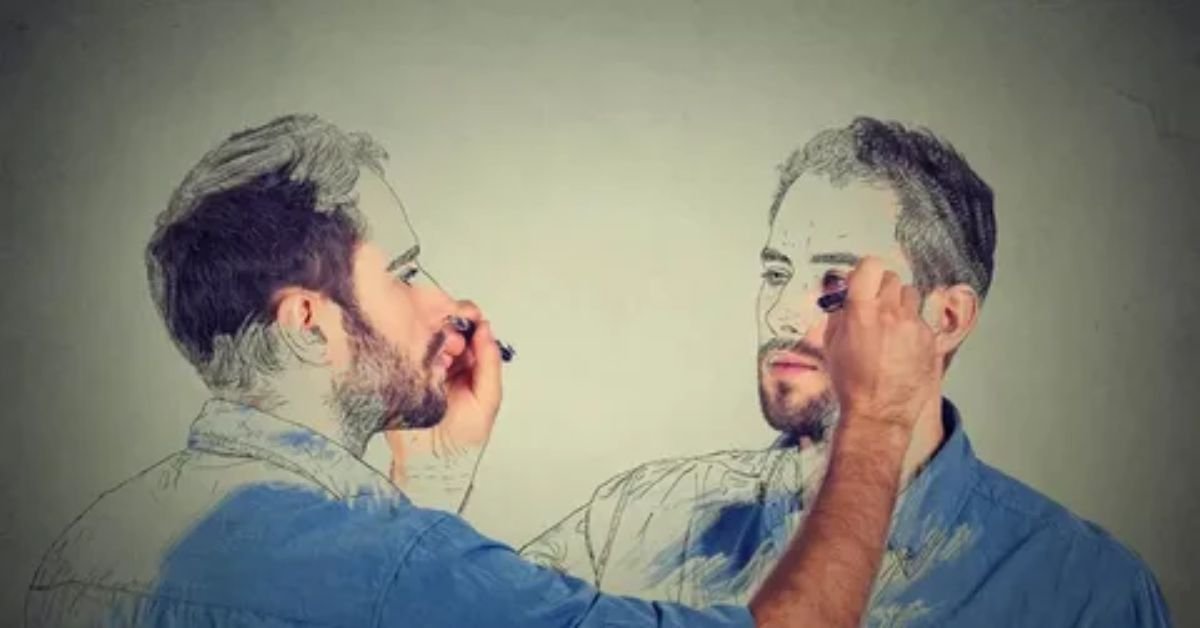
Self portrait drawing means creating a picture of yourself. You look at your face in a mirror or a photo. Then you draw what you see. It helps you understand facial features. It also improves your drawing skills step by step.
Have you ever tried to draw your own face and felt stuck? Many beginners face this problem. But the good news is that simple ideas can make it easier. With the right practice, you can turn your drawing into something amazing.
In this blog, you will find easy and creative self portrait drawing ideas. You can use these ideas to practice every day. You will learn new styles and techniques. This will boost your confidence and make your art better over time.
Get Creative with These Portrait Drawing Ideas: The Ultimate Beginner’s Guide
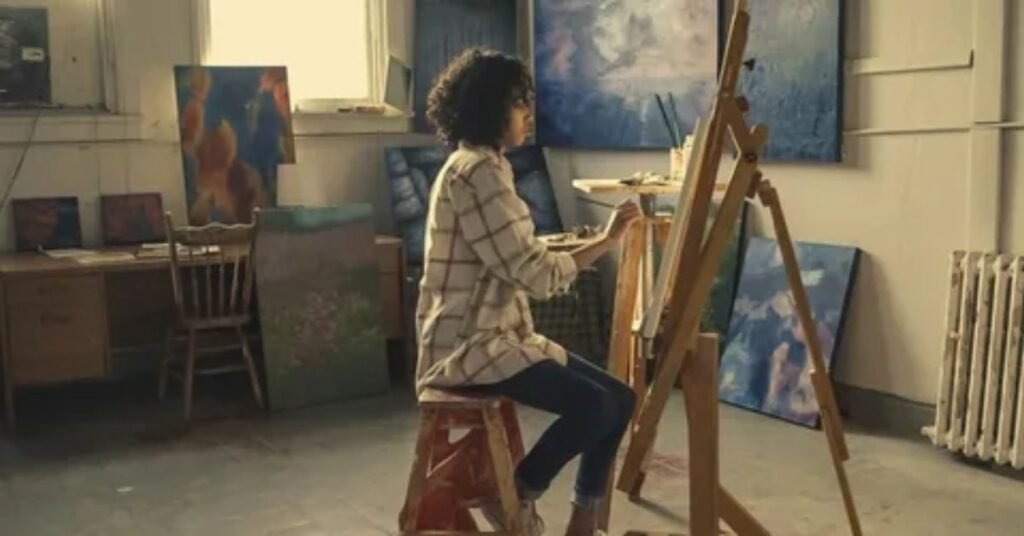
Portrait drawing is a fun way to explore your creativity. It helps you understand faces, shapes, and expressions. Beginners often feel confused at the start. But simple practice can make a big difference. Using easy self portrait drawing ideas can help you learn faster. You can start with basic sketches and slowly improve your skills.
Try different styles to make your art more interesting. You can draw with pencils, pens, or even colors. Do not worry about making mistakes. Every drawing helps you learn something new. With regular practice and fresh self portrait drawing ideas, you will gain confidence. Over time, your portraits will look more detailed and expressive.
Exploring Self-Portraits: A Simple Guide for Beginners
Self-portraits are a great way to start drawing. You only need a mirror or a photo of yourself. It helps you study your face closely. You learn about eyes, nose, and expressions. Beginners can start with simple shapes and lines. Using easy self portrait drawing ideas makes the process more fun and less stressful.
Do not worry about perfect results at the start. Practice is more important than perfection. Try different angles and styles each time. You can also add your own creative touch. With regular practice and new self portrait drawing ideas, your skills will grow. Over time, you will feel more confident in your artwork.
The Da Vinci Code of Facial Proportions Explained
Facial proportions help you draw a balanced face. Artists like Leonardo da Vinci studied the human face very carefully. They found simple rules to place each feature. These rules make drawing easier for beginners. You can use them as a guide, not a strict rule. With practice, your drawings will look more natural and accurate.
Here are some easy points to understand facial proportions:
- There are three equal parts to the face
- Eyes are usually in the middle of the head
- The space between eyes is about one eye width
- A nose sits halfway between an eye and chin
- The mouth is placed above the chin, below the nose
A Time-Traveling Adventure in Portrait Drawing Styles
Portrait drawing has changed a lot over time. Artists in the past focused on realism and fine details. Later, new styles became popular. Some artists used bold shapes and bright colors. Others showed emotions in creative ways. Learning different styles can help you grow as an artist. It also makes your practice more fun and exciting.
You can explore many styles and find what you like most. Try mixing old and modern techniques in your work.Your skills and creativity will be improved as a result. Keep practicing and experimenting with new ideas. Over time, you will develop your own unique style.
Portrait Drawing Styles Over Time
| Time Period | Style Name | Key Features | Famous Artist Example |
| Renaissance | Realism | Detailed, balanced, lifelike | Leonardo da Vinci |
| Baroque | Dramatic | Strong light and shadow, emotion | Caravaggio |
| 19th Century | Impressionism | Soft strokes, light focus | Claude Monet |
| Early 1900s | Cubism | Geometric shapes, abstract faces | Pablo Picasso |
| 1900s | Expressionism | Emotional, bold colors | Edvard Munch |
| Modern Era | Abstract | Creative, non-realistic forms | Wassily Kandinsky |
| Contemporary | Digital Art | Created using digital tools | Modern digital artists |
| Present Day | Mixed Media | Combines different materials | Various artists |
Modern Portrait Techniques: A Beginner’s Guide

Modern portrait drawing is simple and creative. You do not need perfect skills to start. Many artists use loose lines and soft shading. Some also mix traditional and digital tools. Beginners can try easy self portrait drawing ideas to build confidence. These techniques help you learn step by step without stress.
Try using light sketches before adding details. You can also experiment with colors and textures. Do not be afraid to try new styles. Practice regularly to see improvement. Using fresh self portrait drawing ideas will keep your work interesting. Over time, your portraits will look more unique and expressive.
How to Capture Emotion in Portrait Drawings
Capturing emotion makes a portrait feel alive. Small details like eyes, eyebrows, and mouth show feelings. Even the angle of the face can change the mood. Beginners can start with simple sketches. Using easy self portrait drawing ideas helps you focus on expressions without getting overwhelmed. Practice observing yourself or others to notice emotions.
You can also try exaggerating features to show stronger feelings. Light and shadow can add drama to your drawing. Do not worry about perfection at first. Experiment with different styles and techniques. With regular practice and fresh self portrait drawing ideas, your portraits will look more expressive and real.
Surreal Portrait Drawing Ideas to Boost Creativity
Surreal portraits let you mix reality and imagination. You can change faces, add unusual elements, or play with colors. This style helps you think differently and improves creativity. Beginners can start with small ideas and slowly try more complex designs. Using self portrait drawing ideas in surreal ways makes practice fun and exciting.
Here are some surreal ideas to try:
- Replace eyes with stars or clocks
- Add abstract patterns around the face
- Merge two faces into one
- Use unexpected colors for hair or skin
- Draw floating objects near the head
Cubism in Portrait Drawing: Easy Ideas for Beginners
Cubism is a creative way to draw portraits. It breaks faces into shapes like squares, triangles, and circles. This style does not need to look realistic. Beginners can start with simple sketches using geometric shapes. Using self portrait drawing ideas with cubism helps you explore creativity. It is fun and encourages you to think differently about faces.
You can try different cubist approaches in your drawings. Play with angles, shapes, and overlapping parts. Colors can be bright or muted. Do not worry about perfection. Practice regularly and combine your own ideas with cubism.
Easy Cubist Techniques for Portraits
| Technique | Description | Example Approach | Tips for Beginners |
| Geometric Shapes | Break the face into triangles, squares, circles | Draw eyes as triangles, nose as a rectangle | Keep shapes simple at first |
| Overlapping Features | Layer parts of the face over each other | Place one eye over the cheek | Use light pencil sketches first |
| Abstract Angles | Tilt and rotate face parts | Rotate mouth or nose slightly | Focus on balance, not realism |
| Color Blocking | Use bold colors for different face areas | Blue for eyes, red for hair | Experiment with contrast |
| Minimal Detail | Simplify features for focus on shapes | Skip small lines or wrinkles | Less is more in cubist style |
| Mixed Media | Combine pencils, markers, or paints | Add watercolor shapes over pencil | Try one medium at a time first |
| Multiple Perspectives | Show face from more than one angle | One side frontal, one side profile | Keep sketches light and flexible |
Abstract Self-Portrait Drawing Ideas You Should Try
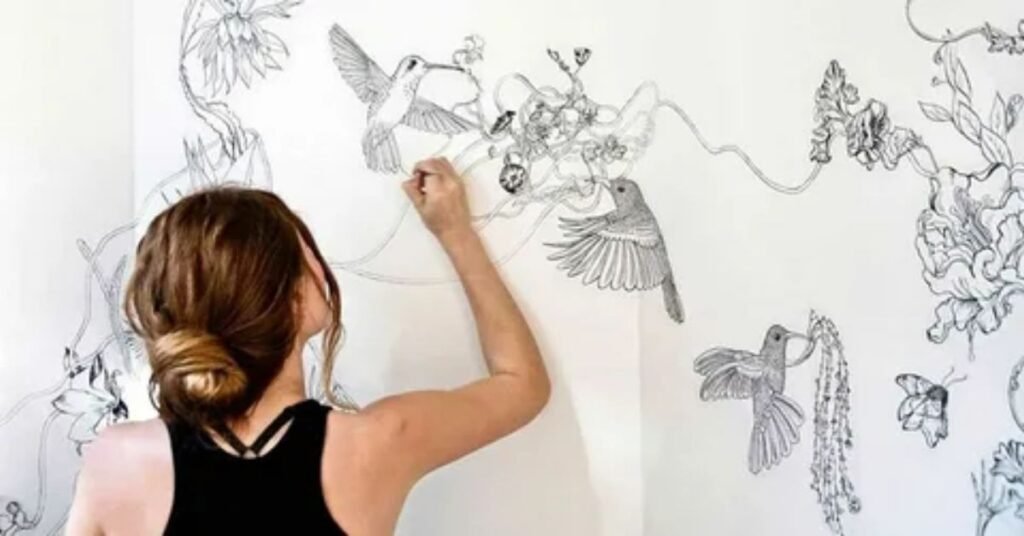
Abstract self-portraits let you express yourself freely. You do not need to follow realistic rules. Shapes, colors, and lines can show your feelings and personality. Beginners can start with small experiments. Using simple self portrait drawing ideas in abstract ways helps you explore creativity without pressure.
Try mixing styles and colors to make your portraits unique. You can combine geometric shapes, swirls, or patterns. Add unusual colors or textures to show mood. Do not worry about perfection. With regular practice and fresh self portrait drawing ideas, your abstract portraits will become more creative and personal over time.
Ballpoint Pen Portrait Drawing: Easy Techniques for Beginners
Ballpoint pen portraits are simple and fun to try. You only need a pen and paper to start. Beginners can practice lines, shading, and textures slowly. Using self portrait drawing ideas with a pen helps you focus on details and shapes. Mistakes are part of learning, so do not worry about them.
Start with light strokes and build up darker areas gradually. You can try hatching, cross-hatching, or dots for shading. Experiment with different pen pressures to create depth. Practice regularly to improve your skills. Over time, your ballpoint pen portraits will look clean and realistic.
Conclusion
Drawing self-portraits is a fun way to improve your art. It helps you learn faces, expressions, and creativity. Using simple self portrait drawing ideas makes practice easier and more enjoyable. Everyone can start, no matter the skill level.
Keep experimenting with styles, shapes, and colors. Do not worry about mistakes—they help you grow. Practice a little every day, and your skills will improve over time. Most importantly, enjoy the process and have fun with your art.
FAQs
1. What is a self-portrait drawing?
A self-portrait is a drawing or painting of yourself. It helps you study your face and expressions.
2. What materials do I need for self-portrait drawing?
You can use pencils, pens, markers, or digital tools. Paper or sketchbooks work best for beginners.
3. How can beginners improve their self-portraits?
Start with simple shapes and practice regularly. Using easy self portrait drawing ideas can guide you.
4. Can I use colors in self-portrait drawings?
Yes! Colors make your portrait expressive. You can experiment with realistic or abstract styles.
5. How do I capture emotions in a self-portrait?
Focus on the eyes, mouth, and facial expressions. Small changes can show different feelings.