

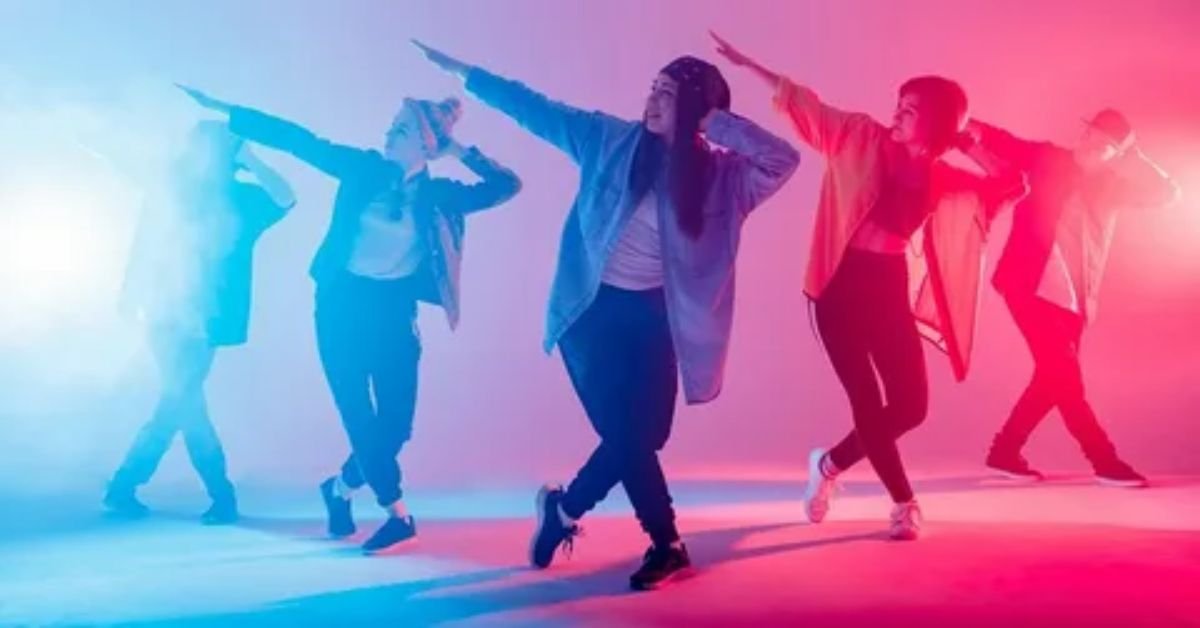
A dancer drawing reference is a guide that helps artists draw dance poses. It shows body positions, balance, and movement. Artists use photos or sketches as references. These help them understand how the human body moves. It makes drawing more accurate and natural.
Have you ever tried to draw a dancer but it looked stiff or lifeless? That happens when movement is hard to capture. Dance is full of energy and flow. Without a good reference, it is easy to miss those details. Using the right reference can bring your drawings to life.
In this guide, you will learn how to use dancer drawing references in a simple way. You will explore poses, anatomy, and motion. You will also get tips to improve your sketches. This will help you create more dynamic and expressive dance drawings.
Dancer Drawing Reference: Dance With Ease to Your Next Best Dance Drawing
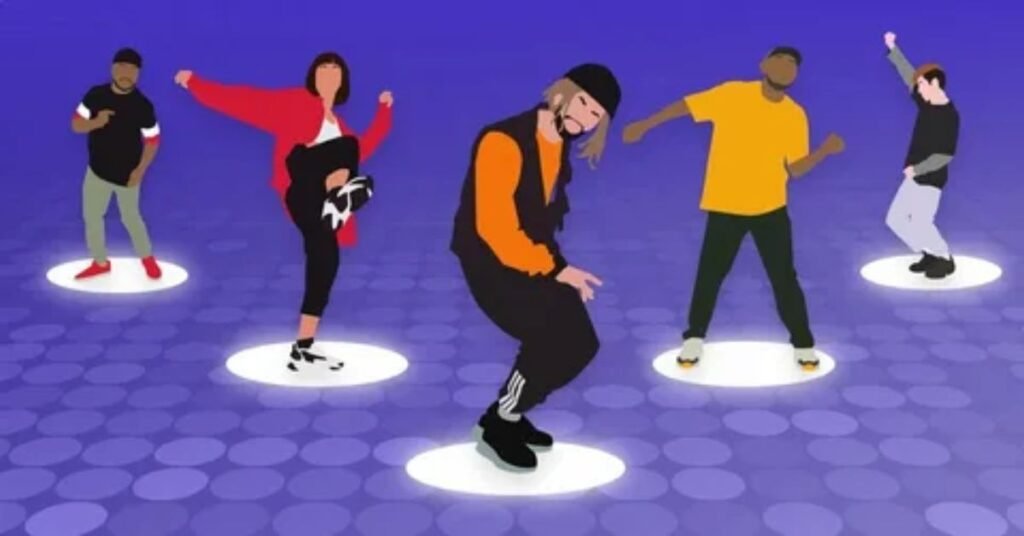
A dancer drawing reference helps you draw poses with ease. It shows how the body moves in real life. You can study balance, posture, and flow. This makes your sketches look natural. Many artists use a dancer drawing reference to improve quickly. It also helps you avoid stiff or awkward drawings.
When you practice daily, your confidence grows. Start with simple poses and short sketches. Focus on lines and basic shapes first. Then add small details step by step. A good dancer drawing reference can guide your hand and eye. With time, your drawings will feel more alive and full of motion.
Understanding the Basics of Drawing Dancers
Drawing dancers starts with simple shapes. Use lines to show the pose and balance. Focus on the head, spine, and limbs first. This helps you understand how the body moves. A dancer drawing reference can guide you in placing each part correctly. It makes your sketch look more natural and clear.
Next, pay attention to flow and rhythm. Dancers move with grace and energy. Try to capture that movement in your lines. Keep your strokes light and loose at first. A good dancer drawing reference helps you see real motion and posture. With practice, your drawings will look more alive and expressive.
Anatomy of a Dancer
Understanding the body is important for drawing dancers. The human body has structure and balance. Each part connects and moves in a natural way. A dancer’s body shows strength, flexibility, and control. When you learn basic anatomy, your drawings look more real. It also helps you draw poses with better accuracy.
Focus on the main body parts and how they work together. Keep your lines simple at first. Then add detail step by step. Watch how muscles stretch and relax in motion. This will improve your sketch quality over time.
- Head and Neck: Show direction and balance of the pose
- Torso: The center of movement and body twist
- Arms and Hands: Express emotion and flow
- Legs and Feet: Show support, strength, and motion
- Joints: Help create natural bends and poses
Capturing Movement and Posture
Capturing movement is key when drawing dancers. Start with quick gesture lines. These lines show the flow of the body. Keep your strokes loose and light. Do not worry about details at first. Focus on energy and direction. Good posture makes the pose look balanced. It helps your drawing feel natural and alive.
Watch how the body shifts weight. Notice the curve of the spine and tilt of the hips. Small changes can affect the whole pose. Practice from real-life or photos often. This builds your observation skills. With time, your drawings will show better motion and control.
| Element | What to Focus On | Why It Matters | Simple Tip |
| Gesture Line | Overall flow of the body | Shows movement and energy | Draw in one smooth stroke |
| Balance | Weight on one or both feet | Keeps pose natural and stable | Check foot placement |
| Spine Curve | Natural curve of the back | Adds flow and rhythm | Avoid straight stiff lines |
| Shoulder Tilt | Angle of shoulders | Shows motion and expression | Compare with hip angle |
| Hip Position | Direction of hips | Controls body balance | Keep it slightly tilted |
| Arm Movement | Direction and extension of arms | Adds grace and emotion | Use long flowing lines |
| Leg Position | Bend and stretch of legs | Shows action and support | Study joints carefully |
| Head Direction | Where the face is pointing | Guides viewer attention | Align with body movement |
| Timing | Moment of action | Captures peak motion | Sketch quickly |
| Energy Flow | Continuous movement through body | Makes drawing dynamic | Avoid broken or stiff lines |
Drawing Different Dance Styles
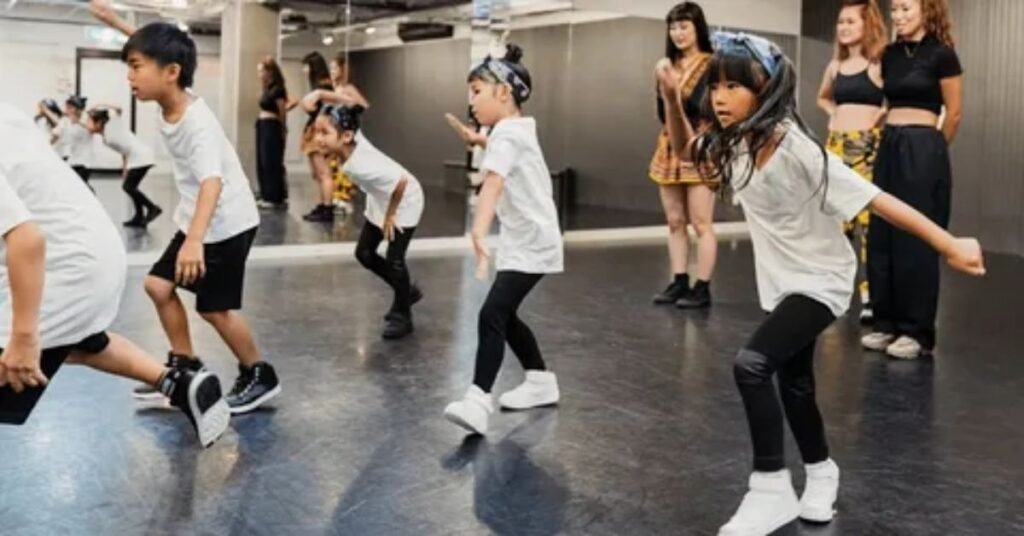
Different dance styles have unique movements and poses. Ballet is soft and graceful. Hip-hop is strong and energetic. Contemporary dance is fluid and expressive. Each style shows a different mood and rhythm. A dancer drawing reference helps you study these styles closely. It shows how the body changes in each pose.
Start by choosing one style at a time. Look at posture, balance, and motion. Try to capture the feeling of the dance. Keep your lines simple and clear. A good dancer drawing reference makes it easier to understand each movement. With practice, you can draw many styles with confidence.
Drawing from Different Perspectives
Drawing from different perspectives makes your art more interesting. A dancer can look different from above, below, or the side. Changing angles shows depth and movement. A dancer drawing reference helps you see these angles clearly. It guides your eye to understand how the body looks in space.
Start with simple poses from one angle. Then try twisting, tilting, or looking from above. Notice how limbs overlap and foreshorten. Practice helps you draw more realistic and dynamic dancers. Using a dancer drawing reference regularly improves your skills faster.
Drawing Costumes and Accessories
Costumes and accessories make your dancer drawings more lively. They show the style and culture of the dance. Flowing skirts, tutus, or scarves add movement to your art. Jewelry, hats, or props can express character and emotion. A dancer drawing reference helps you see how clothes move with the body. It also shows how accessories sit naturally on a dancer.
Focus on simple shapes first, then add details. Observe folds, wrinkles, and fabric flow. Small accessories can change the whole look of a pose. Practice layering costumes over the body sketch for accuracy.
- Flowing skirts or dresses: Show motion and energy
- Tutus and ballet shoes: Highlight classic ballet poses
- Scarves or ribbons: Add dynamic movement
- Hats or headpieces: Reflect dance style and culture
- Jewelry and props: Enhance character and detail
Shading and Coloring Techniques
Shading and coloring make your dancer drawings look real and lively. Shading adds depth and shows light and shadow. Coloring brings energy and mood to your sketches. A dancer drawing reference helps you see where light hits the body. It also shows which areas are darker or in shadow. Start simple, then add layers for better effect.
Practice different styles of shading and coloring. Use pencils, markers, or digital tools. Watch how clothes and skin react to light. Small details make a big difference. With practice, your drawings will look vibrant and dynamic.
| Technique | What It Shows | How to Use It | Tip for Artists |
| Hatching | Shadows and volume | Draw parallel lines | Keep lines close for darker areas |
| Cross-Hatching | Deeper shadows | Layer lines at angles | Use light pressure for gradual effect |
| Blending | Smooth transitions | Use a blending tool or finger | Blend lightly for soft shadows |
| Gradient Shading | Light to dark transition | Apply light to dark gradually | Practice on small shapes first |
| Highlighting | Light spots and reflections | Leave areas white or use eraser | Focus on muscles and edges |
| Layering Colors | Rich and vibrant coloring | Apply multiple layers | Start light and build intensity |
| Color Blocking | Separate areas of color | Fill large areas before details | Use base colors first |
| Mixing Colors | Natural look and tones | Blend two or more colors | Experiment on a separate sheet |
| Texture Shading | Fabric or skin details | Use dots, lines, or strokes | Observe your dancer drawing reference |
| Light Source Awareness | Direction of shadows and highlights | Decide a consistent light source | Keep it consistent for realism |
Examples and Inspiration

Looking at examples can improve your dance drawings. Study sketches, photos, and videos of dancers. A dancer drawing reference shows real poses and movements. It helps you understand posture, balance, and flow. Seeing different styles can spark new ideas. You can mix elements from many examples in your own work.
Try to practice regularly using references. Copying is okay at first to learn shapes and motion. Then add your own style and creativity. A dancer drawing reference guides your hand and eye. Over time, your drawings will look more confident and expressive.
Frequently Asked Questions
Many beginners have questions about drawing dancers. A dancer drawing reference can answer most of them. It helps you understand poses, movement, and anatomy. You can see how the body bends, twists, and balances. Using references makes learning faster and easier.
Some common questions include how to start, which poses to choose, and how to add details. A dancer drawing reference shows all of these clearly. Practice with references every day. With time, your sketches will look natural and full of energy.
Conclusion
Using a dancer drawing reference makes drawing easier and more accurate. It helps you capture movement, posture, and style. References also show details like costumes, accessories, and lighting. Practicing with them improves your skills quickly.
Remember to start simple and build step by step. Look at different poses, angles, and dance styles. Keep practicing and experimenting with your sketches. Over time, your drawings will become more lively, confident, and full of motion.
FAQs
- What is a dancer drawing reference?
A dancer drawing reference is a photo or sketch that shows dance poses to help artists draw accurately. - Why should I use a dancer drawing reference?
It helps capture movement, posture, and proportions, making your drawings look natural and dynamic. - Can beginners use dancer drawing references?
Yes, references are great for beginners to learn poses, anatomy, and flow step by step. - Where can I find good dancer drawing references?
You can find them online, in books, or through photo libraries and videos of dancers. - How do I practice with a dancer drawing reference?
Start with simple sketches, study poses, focus on movement, and gradually add details and shading.